Lawn Mowing in Lambeth
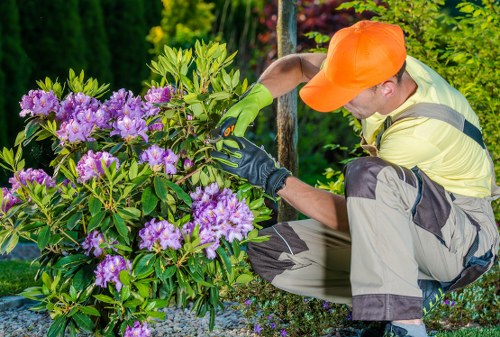
Lawn mowing in Lambeth needs more than a quick pass with a machine; it calls for regular cutting, tidy edging and a finish that suits the shape and condition of the grass. Our service is built around practical mowing work for domestic gardens, shared outdoor spaces and other maintained lawns, with attention to cut height, clipping control and the look of the finished surface. Where lawns are part of a wider garden, we can keep the grass work consistent with the rest of the maintenance plan.
The aim is straightforward: keep grass healthy, manageable and presentable through the growing season and beyond. A well-cut lawn is easier to maintain between visits, and it often makes the rest of the garden feel more orderly too. We work with routine mowing requests as well as one-off tidy-ups, and we can also discuss related tasks such as border edging, light tidy work and the best sequence for combining mowing with other garden care.
To arrange a quotation, start by outlining the size of the lawn, how accessible it is and whether any extra garden work needs to happen alongside the mow. Useful details help us shape the right scope, especially when a garden includes slopes, narrow paths or mixed grass areas. If you are ready to go ahead, use the contact and pricing pages to move the conversation forward and let us know what the lawn needs.
Routine lawn care and cutting plans
Grass responds best to consistent care, so one of the most useful ways to approach lawn mowing is to set a routine that suits the season and the speed of growth. In practice, that means deciding how often the lawn should be cut, how short it should be taken and whether the service should focus on presentation, recovery or ongoing upkeep. A sensible schedule can help avoid scalping, patchiness and the stress that comes from cutting too much at once.
We can work on regular mowing arrangements where the lawn is kept in shape through repeat visits, and we can also help with occasional cutting for gardens that do not need weekly attention. For some customers, the priority is a uniform finish and clear edges; for others it is about keeping growth under control without overworking a lawn that is already thin or uneven. Our services overview gives a broader look at the main garden services that can sit alongside mowing when a larger maintenance plan is needed.
What matters most is that the grass is cut in a way that suits the conditions rather than following a one-size-fits-all approach. Grass type, shade, recent weather and foot traffic all affect how a lawn should be treated. A carefully judged cut can leave the surface looking sharper, but it can also protect the lawn from avoidable stress. That balance is often more valuable than chasing a very short finish.
What is included in the mowing service

A practical mowing visit often involves more than just cutting the centre of the lawn. Depending on the garden, the service may include trimming around edges, working close to borders and dealing neatly with awkward shapes that are hard to maintain with domestic equipment. If the grass has grown longer than usual, the work may need to be staged carefully so the final result looks even and the lawn is not damaged by taking off too much in one go.
Clipping management is another useful part of the job. Some lawns are best left with collected clippings removed, while others can benefit from a light mulching approach where conditions allow. The right method depends on the grass condition, the length of the cut and what will leave the lawn looking clean without smothering the surface. In gardens with mixed use, attention to the finish matters because the mowing job often sets the tone for the rest of the outdoor space.
It can also be sensible to pair mowing with other light maintenance tasks in the same visit if that keeps the lawn area coherent. Straightforward edge tidying, access around fixtures and a neat close-out around borders can all improve the visual result. Where a lawn sits beneath trees, beside paths or near planted areas, the final details often make the biggest difference to how polished the garden feels.
Access, timing and preparing for a quotation
When asking for a quotation, it helps to describe the lawn clearly so the scope can be understood without guesswork. A simple message about approximate size, access, whether the grass is currently short or overgrown, and whether there are steps, side gates or restricted corners is usually enough to start. If there are areas to avoid, such as planting beds or fragile features, including that information keeps the enquiry accurate and saves time later.
Timing also matters. Gardens with strong growth may need a more frequent cut during milder weather, while some spaces only need occasional attention. If you are comparing different types of maintenance, it can be useful to think about whether the lawn needs one-off recovery work, steady upkeep or a broader seasonal plan. You can request a quotation once you know which outcome you want, and the service can then be shaped around that brief rather than forcing a fixed package.
For larger or more varied gardens, it may also help to mention whether the lawn is the whole job or part of a wider list. That lets the work be planned in a practical order, especially where mowing, hedge trimming or general garden clearance may need to fit together. Clear information at the start does not need to be long, but it does help produce a more useful response.
How lawn condition affects the cut
Not every lawn should be cut in the same way. A healthy, regularly maintained lawn can usually be managed with a standard trim, but a lawn that has been neglected, waterlogged, shaded or heavily used may need a gentler approach. Cutting height, blade sharpness and the pace of the work all influence the finish, and they can also affect how the grass recovers after the visit. That is why condition matters as much as size.
Longer grass often needs a more measured cut so the lawn is not shocked by removing too much at once. Uneven ground can also change how the mower is used, especially where there are dips, worn patches or soft edges. In those cases, a careful pass that preserves the surface is usually better than trying to force a perfect finish in one go. The result may be more sustainable, and it can still look neatly maintained.
Where a lawn has struggled, the mowing plan may need to be combined with other support, such as general garden maintenance or a tidier approach to surrounding growth. The point is not to overcomplicate the job, but to treat the grass in a way that supports a better outcome. A lawn that is kept within its limits tends to stay easier to manage in the weeks that follow.
Related garden services that can work alongside mowing

Some customers only need mowing, but others benefit from a broader set of garden services arranged around the lawn. Where the grass sits within an overgrown or untidy garden, it may make sense to combine cutting with other tasks so the space is dealt with more efficiently. This can be especially useful when the boundaries, shrubs or upper growth are also starting to dominate the area.
Services such as garden maintenance, hedge trimming and garden clearance can all support a lawn-focused job when the garden needs more than a single cut. Those services are different in purpose, but they often fit together well in gardens that need both presentation and control. If the main issue is not just grass height but the overall state of the outside space, linking the work can create a more coherent result.
Useful combinations often depend on what is in the garden rather than on any fixed package. A lawn near boundary hedges may benefit from trimming first, while a garden with heavy debris may need clearing before mowing is practical. Where shrubs, rough grass or other obstructions affect the cut, planning the order of tasks can make the job smoother and improve the final finish.
Edge work, finish and lawn presentation
Good lawn mowing is usually noticed in the edges as much as in the centre. A clean line along borders, paving and garden features helps the cut look deliberate rather than rushed, and that can make even a modest lawn appear much better maintained. Edging also helps prevent grass from creeping into places where it is hard to tidy later, which keeps the garden easier to manage between visits.
Presentation matters for practical reasons too. In outdoor areas that are used regularly, a tidy lawn helps define paths, planting beds and seating spaces. The mowing finish should therefore suit the setting rather than chasing a uniform look that ignores the layout. A broad family lawn, a narrow strip beside a path and a small enclosed garden may each need slightly different handling if the aim is a neat and usable space.
Where appropriate, we can keep the cut balanced with the rest of the garden rather than making the lawn too harsh or too soft in relation to its surroundings. This is especially helpful when lawns sit beside planted borders or decorative features. A considerate finish makes the garden feel joined up, and it often means the lawn remains the strongest visual line in the space.
About Lambeth
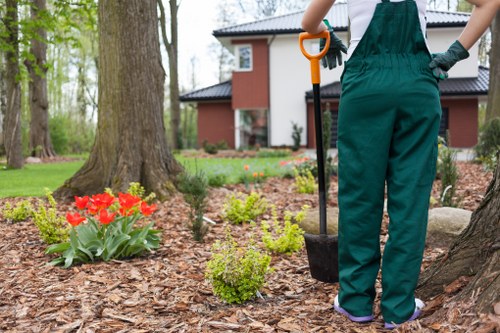
Lambeth is a district in south London that stretches along the south bank of the River Thames and forms part of the wider London Borough of Lambeth. The area includes a mixture of historic riverside frontage, dense urban streets and prominent civic and cultural landmarks. Its name is closely associated with Lambeth Palace, the London residence of the Archbishop of Canterbury, which sits near the river and reflects the area’s long-standing ecclesiastical connections. Across the district, older routes and later redevelopment sit side by side, creating a varied streetscape that ranges from Georgian and Victorian buildings to twentieth-century housing and modern public spaces. Waterloo, Vauxhall and Brixton are among the better-known places within the borough, each with its own character and built form. The river edge remains a defining feature, with views across to central London and access to landmarks such as the London Eye, Westminster and the South Bank from nearby crossings and walkways. Local open spaces include parks and squares that break up the urban grain, while streets such as those around Brixton reflect the area’s strong commercial and cultural life. Lambeth’s transport links, stations and bus routes have long made it a well-connected part of the capital, and that connectivity has helped shape its development over time. Historic churches, community venues, markets and public institutions contribute to an atmosphere that is distinctly metropolitan yet locally varied. The borough’s architecture and street pattern also show the layering of London history, from riverside settlement to modern city neighbourhoods.
Broader landscaping work for more involved gardens
Although lawn mowing is the central service here, some gardens need more extensive attention than a single grass cut. In those cases, broader landscaping work may be helpful where the outdoor space needs a clearer layout, new features or a refreshed structure. A well-kept lawn can sit at the centre of a garden design, but it usually works best when paths, borders and planting have been considered alongside it.
If you are looking at a larger change, landscape gardening and landscaping are relevant pages to explore because they cover wider improvements beyond mowing. Those services are suited to gardens where the aim is not only maintenance but a more considered overall shape. The right approach may involve changing how the space is used, improving the balance between hard and soft surfaces, or making it easier to maintain in future.
For customers who only need a straightforward cut, these extra services are not necessary. But where a lawn sits inside a garden that no longer functions well, it can be helpful to think about the wider picture. A simple mow can tidy the present state of a lawn; broader landscaping can also change how the whole garden works over time.
Other tasks that may affect a mowing visit

Some outdoor areas have trees, thicker growth or structural features that affect how straightforward the mow will be. In those situations, related work may be needed before or alongside the grass cut. For example, tree growth can cast shade, drop debris or limit access, while larger branches and dense overhead growth may change the shape of the available space. The right response depends on the layout and on the amount of work that the garden actually needs.
If tree work is part of the broader plan, tree lopping and removal may be relevant, while structural outdoor additions can sometimes sit within decking services if the garden includes a raised or surfaced area that needs to be managed around the lawn. These are separate services, but they can affect how the mowing job is organised. The main point is that the lawn should be cut in a way that suits the whole setting, not in isolation from it.
When you are ready to proceed, contact us for a quotation and tell us what the lawn needs in practical terms. If you would like to compare scope and cost first, pricing and quotes is also available. A clear, focused enquiry is usually the quickest route to a useful response, and it helps make sure the work is matched to the garden rather than the other way round.